The vocabulary of window treatment fabrics can be confusing, and most of the confusion comes from terminology that sounds technical but refers to something fairly simple. Opacity, texture, and light control are the three qualities that determine how a fabric will perform in a room. Understanding them separately makes it a lot easier to know what you’re looking for before you’re standing in front of a sample board.
Understanding Opacity
Opacity is just a measure of how much light gets through. The four terms you’ll see most often (sheer, light-filtering, room-darkening, and blackout) exist on a spectrum.
Sheers let light pass through in a soft, diffused way. During the day, they obscure the view from outside; at night, that reverses, so they’re not a privacy solution on their own.
Light-filtering fabrics do what their name suggests: they cut glare and take the edge off direct sun, but you can still see through them when the shade is down.
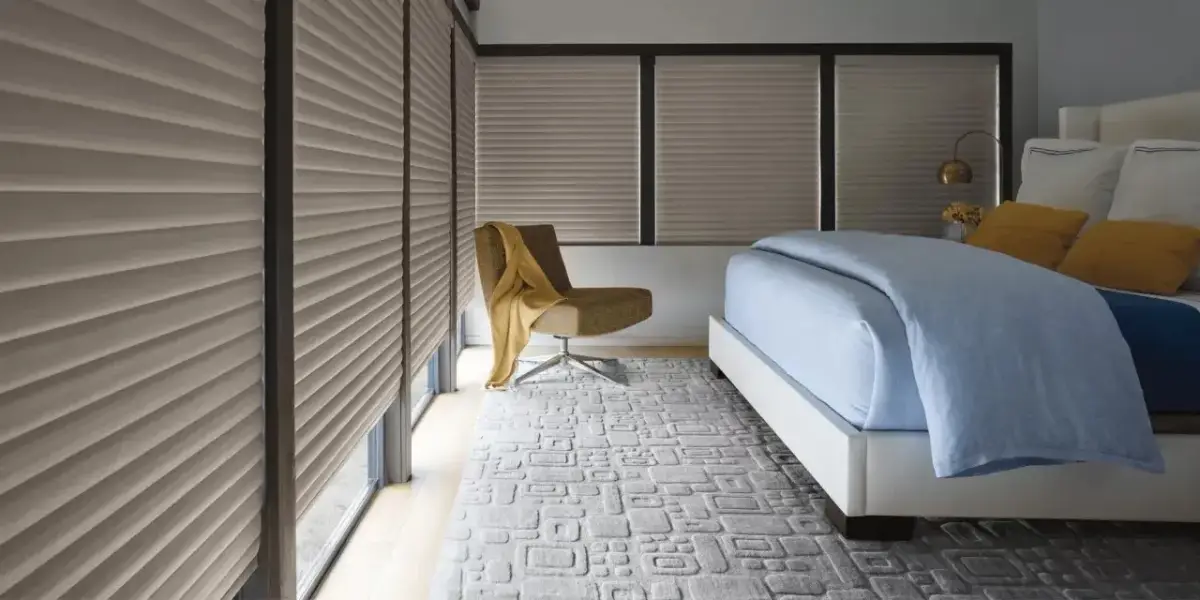
Room-darkening fabrics are worth the upgrade for how much incoming light they block. They’re ideal for living rooms and media rooms where you want to limit light, but don’t need a complete blackout.
Blackout fabrics, whether lined or woven through, are designed to block all light, making them the best option for bedrooms.
In a New York apartment, the room a fabric goes into matters as much as the fabric itself. Hunter Douglas sheer shades work well in a living room that faces north or a courtyard, where you want to let in as much natural light as possible. A room-darkening or blackout fabric is appropriate for a bedroom with an eastern or southern exposure that receives direct sun in the morning.
Choosing Texture
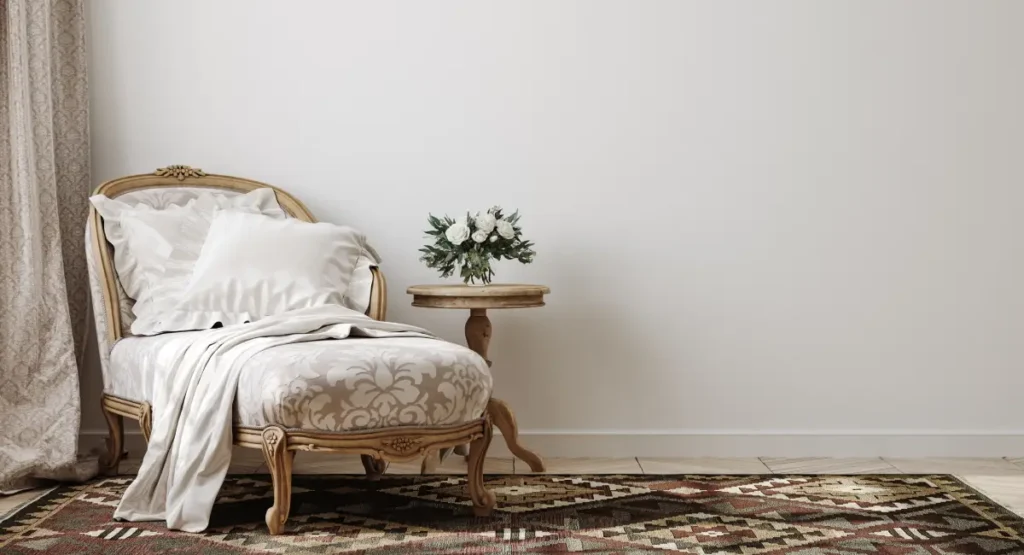
Having an Instagram-worthy apartment doesn’t mean much if it’s not comfortable to spend time in. This is where texture is crucial (and why we love woven textiles). They work naturally in apartments with warm tones and wood floors, while softening some of the industrial features common to many NYC spaces. In small apartments, texture is also valuable in dampening noise. Well-placed custom drapery or Hunter Douglas cellular shades can work wonders at reducing ambient echo in your apartment and even filter out some street noise!
Controlling Light
Never underestimate the power of natural light. Your window treatments play a heavy role in how light behaves in your space. Dynamic sheers, like those with S-shaped vanes suspended between light-diffusing fabric, add an elegant touch that fills the room with soft light. Traditional options, like Hunter Douglas wood blinds, let in more abundant light – but light shaped by the character of natural slats. The right window coverings do subtle but palpable work in making your space feel more complete, too.
Find the Right Fabric for Your NYC Space
Our design consultants can help you work through opacity, texture, and light control in the context of your NYC home and how you want each room to function. Book a Free Shop-At-Home Appointment, or stop by one of our New York City showrooms to check out our Hunter Douglas window treatments in person.
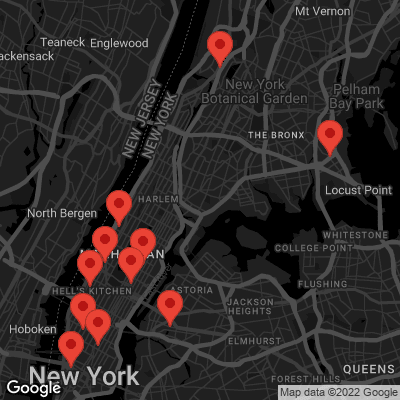
We’re locally owned and operated, always happy to serve our neighbors throughout New York City, SoHo, Chelsea, Long Island City, Gramercy Park, Hell’s Kitchen, Lower East Side, Throgs Neck, The Bronx, Upper East Side, Upper West Side, Uptown West, and Yorkville.