How to clean wallpaper depends almost entirely on what the wallpaper is made of. The method that’s fine on vinyl wallcovering will permanently stain a grasscloth, and what works on grasscloth — which is essentially nothing wet — will dissolve the surface of a hand-painted paper. Getting the material right first is the whole game. If you plan to invest in designer wallpaper, it’s good to know how to clean it to help maintain your investment for years to come.
Learn more about designer wallpaper, interior design trends, Benjamin Moore paint, and Hunter Douglas window treatments when you work with the experts at Janovic!
Identify the Wallcovering
Vinyl and vinyl-coated papers are designed to resist moisture. Most contemporary residential wallpapers fall into this category and handle cleaning reasonably well. Natural fiber wallcoverings — grasscloth, jute, sisal, seagrass, woven linen — don’t. They absorb moisture rather than shedding it, and water stains on these materials are typically permanent. Hand-printed and painted papers pose a separate problem: the inks and pigments can bleed or lift at the slightest moisture, regardless of how carefully applied.
If you don’t have the original installation documentation, test an inconspicuous area and give it time to dry fully before proceeding. What looks fine wet can show a watermark once it dries. In apartments where the wallpaper was already there when you moved in, this step matters more than people usually expect.
Cleaning Vinyl and Washable Papers
For light dust and surface marks, a dry microfiber cloth is usually sufficient and doesn’t require any product. For anything more stubborn — scuffs near a light switch, marks around a door frame, grease near the kitchen — a barely damp cloth with a small amount of dish soap is the right approach. Wring the cloth until it feels almost dry before it touches the wall. Wipe in one direction. Dry the area immediately afterward with a clean cloth rather than letting it air dry.
The seams are the most vulnerable part of any wallpaper installation. Moisture at the edges of panels works its way behind the paper and loosens the adhesive over time, and once a seam starts lifting, it tends to keep going. Even on a fully washable paper, cleaning solution near the seams is worth avoiding. Work in the center of the panels and keep away from the edges.
For walls in high-traffic areas — a hallway, a kitchen backsplash wallpaper, near a frequently used doorway — a consistent dry dusting habit is easier than periodic wet cleaning and causes less cumulative wear.
Cleaning Grasscloth and Natural Fibers
A soft-bristle brush or dry microfiber cloth for routine dust. Beyond that, consult a professional before attempting anything. This isn’t excessive caution. Replacing a section of damaged grasscloth in a custom colorway or a discontinued pattern is genuinely difficult — and sometimes not possible at all. The dye lot from the original installation may no longer exist, and natural fiber wallcoverings are notoriously hard to match after the fact. A few minutes with a damp cloth can create a repair problem that has no easy solution.
Hand-printed and specialty papers fall in the same category. The substrate can be durable, while the surface isn’t.
When the Problem Is Bigger Than the Surface
Bubbling seams, soft areas in the wall field, and discoloration that looks water-related are not cleaning problems. They’re moisture or installation problems, and going over them with a cloth won’t change anything underneath. In older New York buildings — where humidity cycles through seasons, pipes age behind plaster walls, and original adhesives may have been in place for decades — these signs are worth taking seriously. A wallpaper professional can assess what’s actually happening before you spend time or money on a surface fix that won’t hold.
Get Help with Your Wallpaper at Janovic
If you’re considering new designer wallpaper, trying to decide between paint and wallpaper, or have questions about wallpaper installation, our team can help.
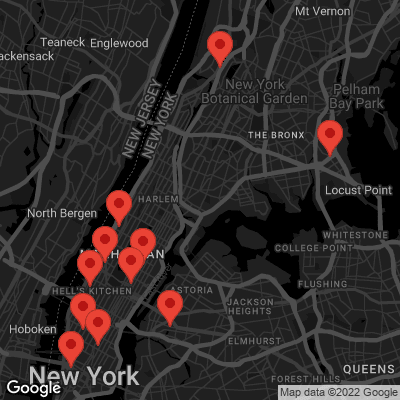
Book a Free Shop-At-Home Appointment today, or visit one of our New York City showrooms.
We’re locally owned and operated, always happy to serve our neighbors throughout Manhattan, SoHo, Chelsea, Long Island City, Gramercy Park, Hell’s Kitchen, Lower East Side, Throgs Neck, The Bronx, Upper East Side, Upper West Side, Uptown West, and Yorkville.